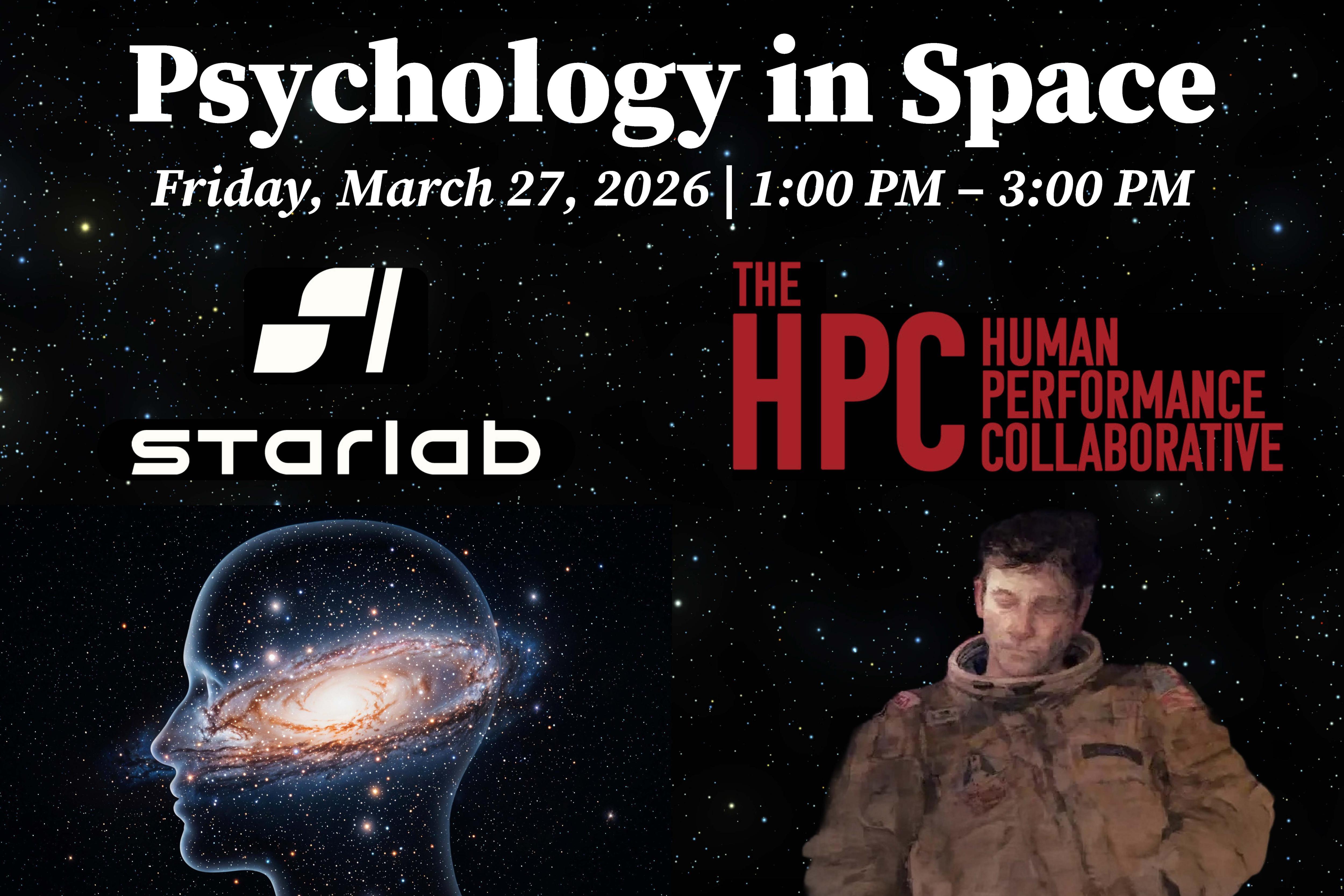
Psychology in Space
This virtual workshop will be hosted on Zoom and will feature leading experts in psychology in space. Each speaker will give a short presentation followed by a panel discussion, offering participants the chance to engage directly with the speakers and explore human factors that shape performance, wellbeing, and decision-making in the extreme environment of space.
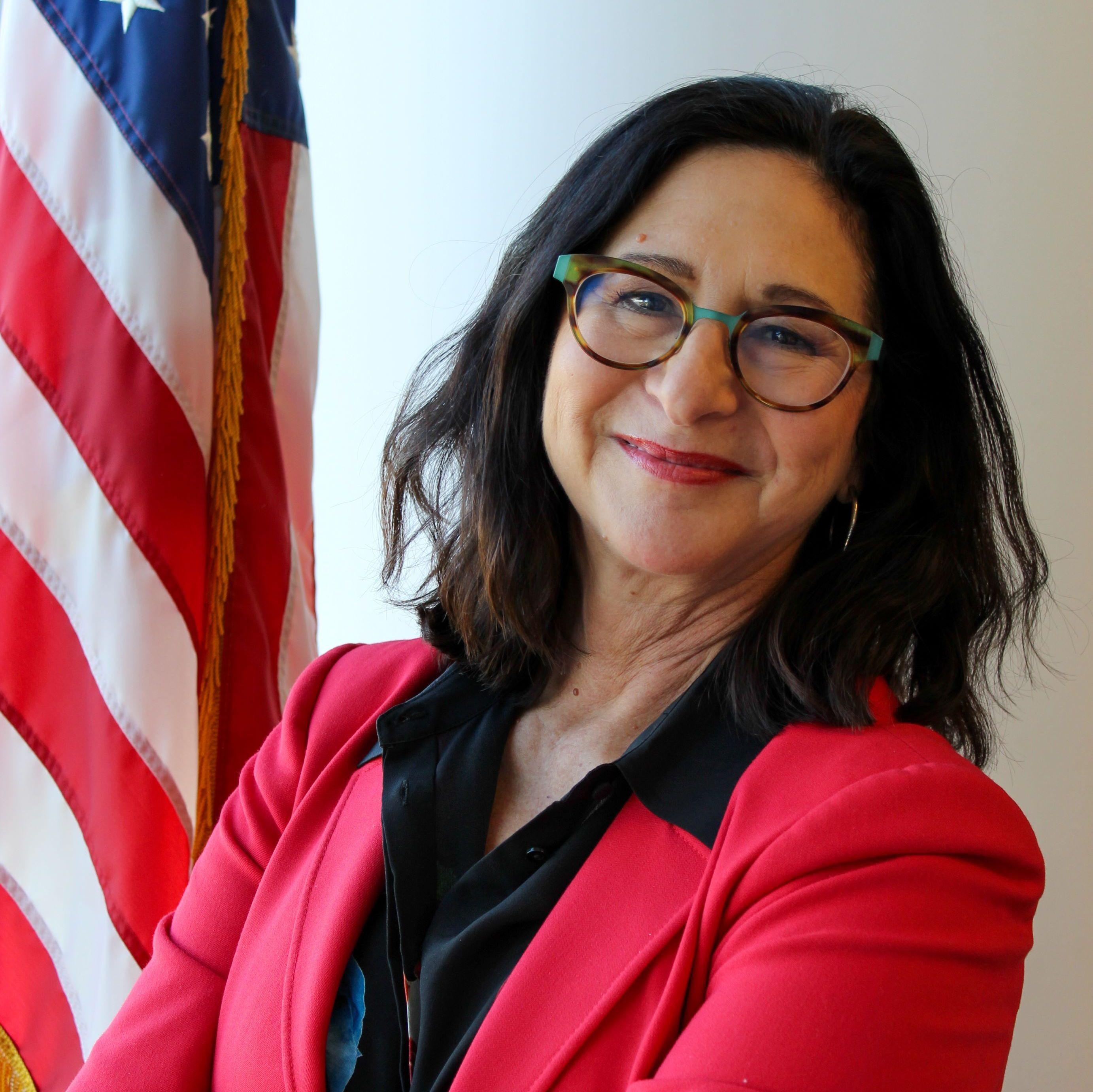
Featuring NASA Scientists, Academic Researchers, and Industry Partners
Psychological Health and Behavioral Resilience in Spaceflight
This is the fifth session of the Exploring Bioastronautics Research at Ohio State series, presented by the Human Performance Collaborative and Starlab. Join us Friday, March 27, 2026, from 1:00 PM to 3:00 PM, virtually on Zoom, for an in-depth exploration of the human factors that shape performance, wellbeing, and decision-making in the extreme environment of space.
- 1:00 PM – 1:10 PM: Welcome and Starlab / Human Performance Collaborative Overview
- 1:10 PM – 1:30 PM: Dr. Rachel Passmore, operational psychologist, NASA
- 1:30 PM – 1:50 PM: Dr. Suzanne Bell, lead scientist, Behavioral Health and Performance Laboratory, NASA
- 1:50 PM – 2:10 PM: Dr. Dorit Donoviel, executive director, Translational Research Institute for Space Health (TRISH); and associate professor, Baylor College of Medicine
- 2:10 PM – 2:30 PM: Dr. Jacob Hyde, founder; and principal scientist, Warfighter Consulting
- 2:30 PM – 3:00 PM: Panel Discussion – Moderated by: Abigail Harrison, Starlab Research Lead, Mechanical and Space Engineering, College of Engineering, The Ohio State University
This workshop will examine the unique psychological rigors of long-duration missions, including cognitive performance under microgravity and behavioral health risks. We will explore topics such as cohesion and conflict in isolated habitats, the selection and training of astronauts with a focus on risk prevention, and established best-practices to support resilience in space, including the use of emerging technologies to assess readiness and support performance in extreme environments.
Panel Discussion: Come Prepared!
A significant portion of the meeting will be dedicated to a interactive panel discussion. We encourage all participants to bring questions and topics of interest related to psychology in space. This is your opportunity to engage directly with experts, share ideas, and explore emerging challenges and opportunities in the field.
Speakers:
Suzanne Bell, PhD – Lead Scientist, Behavioral Health and Performance Laboratory, NASA
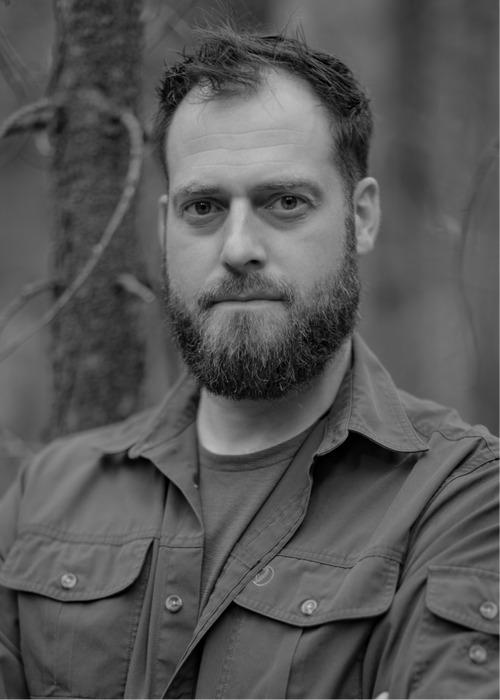
Jacob Hyde, PsyD – Founder and Principal Scientist, Warfighter Consulting
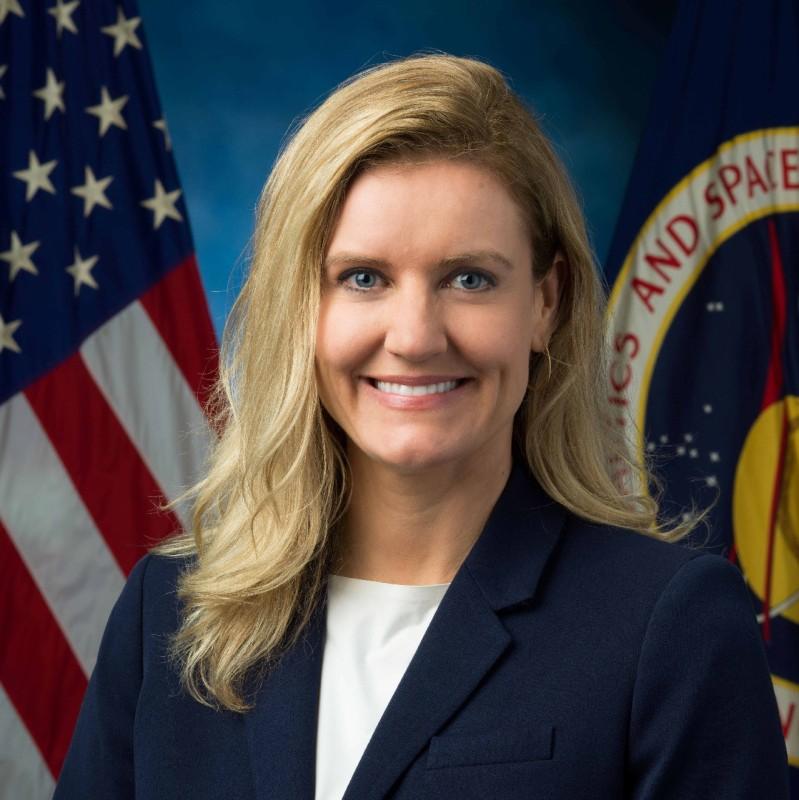
Rachel Passmore, PsyD, ABPP – Operational Psychologist, NASA

Dorit Donoviel, PhD – Executive Director, Translational Research Institute for Space Health (TRISH); Associate Professor, Center for Space Medicine; Associate Professor, Department of Biochemistry and Molecular Pharmacology, Baylor College of Medicine